Introduction
Imagine the irresistible aroma of freshly baked bread filling your kitchen, the anticipation of that first warm, crusty bite. Today, we delve into the art of creating Homemade Ciabatta Bread, a rustic Italian classic that embodies simplicity and flavor. This recipe is not just about baking bread; it’s about crafting a culinary masterpiece with your hands, heart, and soul.
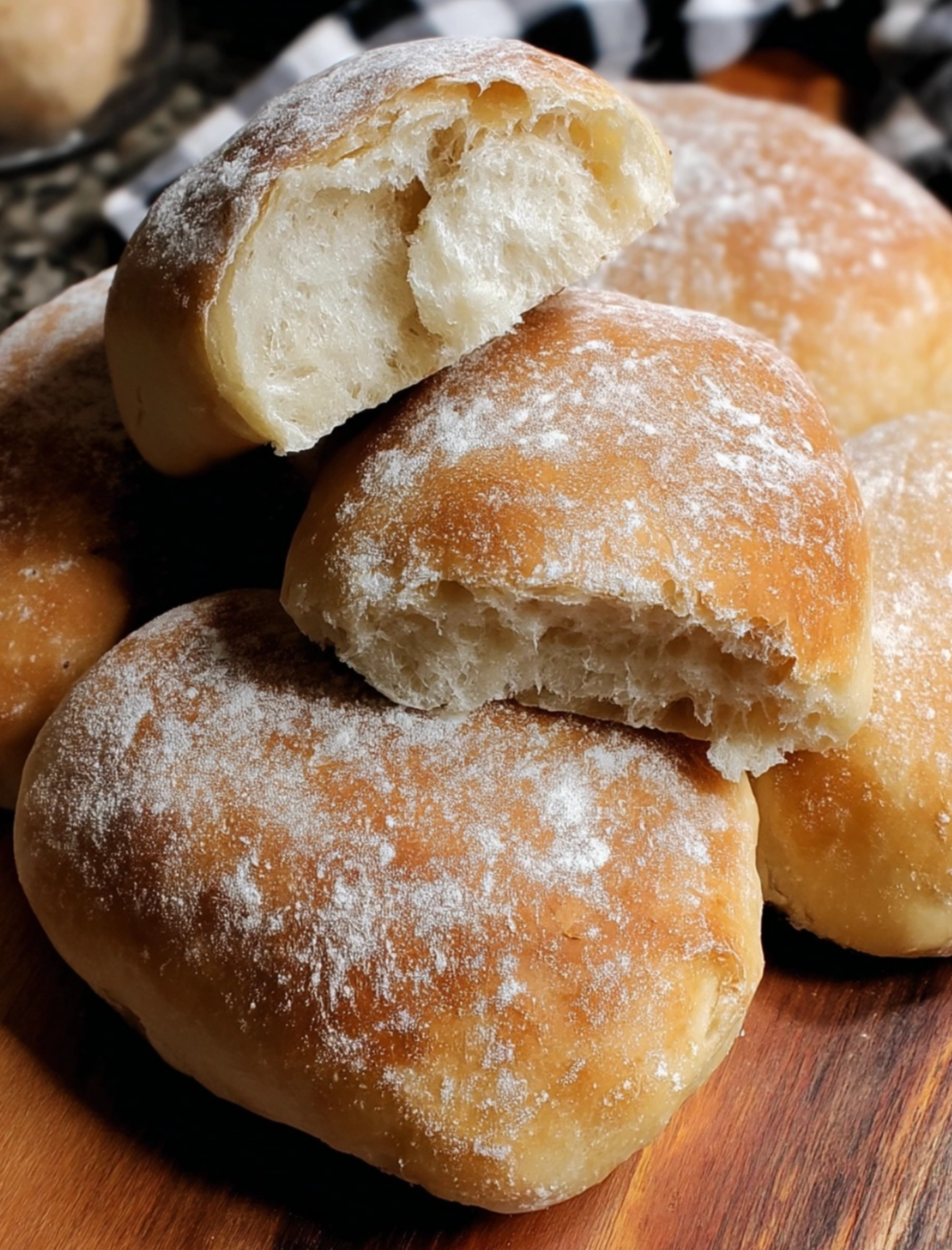
Ciabatta bread is special for its airy interior, chewy crust, and open crumb structure. Its name, meaning “slipper” in Italian, reflects its elongated, flat shape resembling a slipper. This bread has a rich history dating back to the rustic bakeries of northern Italy, where it was born out of a desire for a lighter, more digestible loaf.
As we embark on this baking journey together, you’ll discover the joy of working with simple ingredients to create a loaf that is both humble and extraordinary. Let’s roll up our sleeves, dust our hands with flour, and let the magic of ciabatta unfold.
Get ready to experience the satisfaction of creating a bakery-worthy loaf in your own kitchen, with the added bonus of the delightful scent that will linger in your home for hours to come.
Why You’ll Love This Recipe
One of the reasons you’ll love this Homemade Ciabatta Bread recipe is its simplicity. With just a few basic ingredients – flour, water, salt, and yeast – you can achieve a bread that rivals those from artisan bakeries. The minimalistic approach to ingredients allows the flavor and texture of the bread to shine through.
Additionally, ciabatta bread is versatile and pairs well with a variety of dishes. Whether you’re dipping it in olive oil and balsamic vinegar, making a hearty sandwich, or serving it alongside a charcuterie board, this bread enhances any meal it accompanies.
For those with dietary preferences, Homemade Ciabatta Bread can easily be adapted to suit various needs. Whether you’re looking to make it gluten-free or incorporate whole grains, this recipe offers flexibility without compromising on taste or texture.
Embrace the therapeutic process of bread-making and revel in the satisfaction of creating a loaf that is not only delicious but also a testament to your culinary skills.
Ingredients
To create your own Homemade Ciabatta Bread, you will need the following ingredients:
– 4 cups bread flour
– 2 ½ cups warm water
– 2 ¼ teaspoons active dry yeast
– 2 teaspoons salt
Optional ingredient substitutions:
– Whole wheat flour can be used for a nuttier flavor and denser texture.
– Honey or sugar can be added to enhance the yeast’s activity and add a subtle sweetness to the bread.
Experiment with different variations to tailor the bread to your preferences while maintaining its authentic essence.
Step-by-Step Instructions
1. In a large mixing bowl, combine the warm water and yeast. Let it sit for 5-10 minutes until foamy.
2. Add the flour and salt to the yeast mixture. Stir until a sticky dough forms.
3. Cover the bowl with plastic wrap and let it rise at room temperature for 12-18 hours.
4. Preheat your oven to 450°F (230°C). Place a baking stone or upside-down baking sheet in the oven.
5. Transfer the dough to a floured surface. Gently fold the dough over onto itself a few times to shape it.
6. Divide the dough into two pieces and place them on a floured kitchen towel. Cover and let rise for another 1-2 hours.
7. Carefully transfer the risen dough onto the preheated baking stone. Bake for 25-30 minutes until golden brown.
8. Remove from the oven and let the bread cool on a wire rack before slicing and serving.
Pro tip: Use a spray bottle to mist the dough and oven walls with water before baking for a crispier crust.
Expert Tips for Success
– Use bread flour for its higher protein content, which helps develop gluten for that signature chewy texture.
– The long fermentation time contributes to the bread’s flavor and structure, so be patient during the rising process.
– Wet your hands or a dough scraper when handling the sticky dough to prevent sticking.
– For added flavor, consider incorporating fresh herbs or roasted garlic into the dough during the initial mixing stage.
Avoid rushing the process and follow the steps diligently to achieve a ciabatta bread that is light, airy, and full of character.
Variations and Substitutions
Customize your Homemade Ciabatta Bread with these creative variations:
– Add chopped olives or sun-dried tomatoes to the dough for a Mediterranean twist.
– Sprinkle sesame seeds or flaky sea salt on top of the bread before baking for extra flavor and texture.
– Replace a portion of the water with beer for a richer taste profile and enhanced crust color.
Feel free to experiment with different mix-ins and flavorings to elevate your ciabatta bread and make it uniquely yours.
Serving Suggestions
To savor your freshly baked Homemade Ciabatta Bread to the fullest, consider serving it:
– Warm from the oven with a drizzle of olive oil and a sprinkle of flaky salt.
– As the base for bruschetta topped with ripe tomatoes, basil, and balsamic glaze.
– Sliced for sandwiches filled with prosciutto, fresh mozzarella, arugula, and roasted red peppers.
Pair this bread with a robust red wine, a crisp salad, or a hearty soup to create a memorable dining experience that celebrates the flavors of Italy.
FAQs
Q: Can I use instant yeast instead of active dry yeast?
A: Yes, you can substitute instant yeast for active dry yeast in this recipe. Use the same amount, but you may skip the blooming step and mix it directly with the flour.
Q: How can I store leftover ciabatta bread?
A: To keep the bread fresh, store it in a paper bag at room temperature for up to 2 days. For longer storage, freeze the bread in a resealable bag for up to 3 months.
Q: Why is my ciabatta bread not rising?
A: Insufficient yeast activation, improper dough hydration, or underproofing could hinder the rising process. Ensure your yeast is fresh, and follow the recipe’s rising times for optimal results.
Q: Can I knead the dough by hand instead of using a mixer?
A: Absolutely! Kneading by hand can be a rewarding experience and allows you to feel the dough’s texture and development firsthand. Follow the same mixing and folding process until the dough is elastic and tacky.
Final Thoughts
Homemade Ciabatta Bread embodies the essence of traditional Italian baking – simple ingredients, time-honored techniques, and a touch of creativity. By mastering this recipe, you not only create a delicious loaf but also connect with a centuries-old culinary tradition that celebrates the art of bread-making.
So, gather your flour, water, and yeast, and embark on a culinary adventure that will fill your home with warmth, comfort, and the irresistible aroma of freshly baked bread. Let each slice of ciabatta bread you enjoy be a testament to your dedication to the craft of baking and the joy of sharing homemade goodness with loved ones.
Dive into the world of bread-making with Homemade Ciabatta Bread, and let each bite transport you to the sun-kissed hills of Tuscany or the charming streets of Rome. Buon appetito!