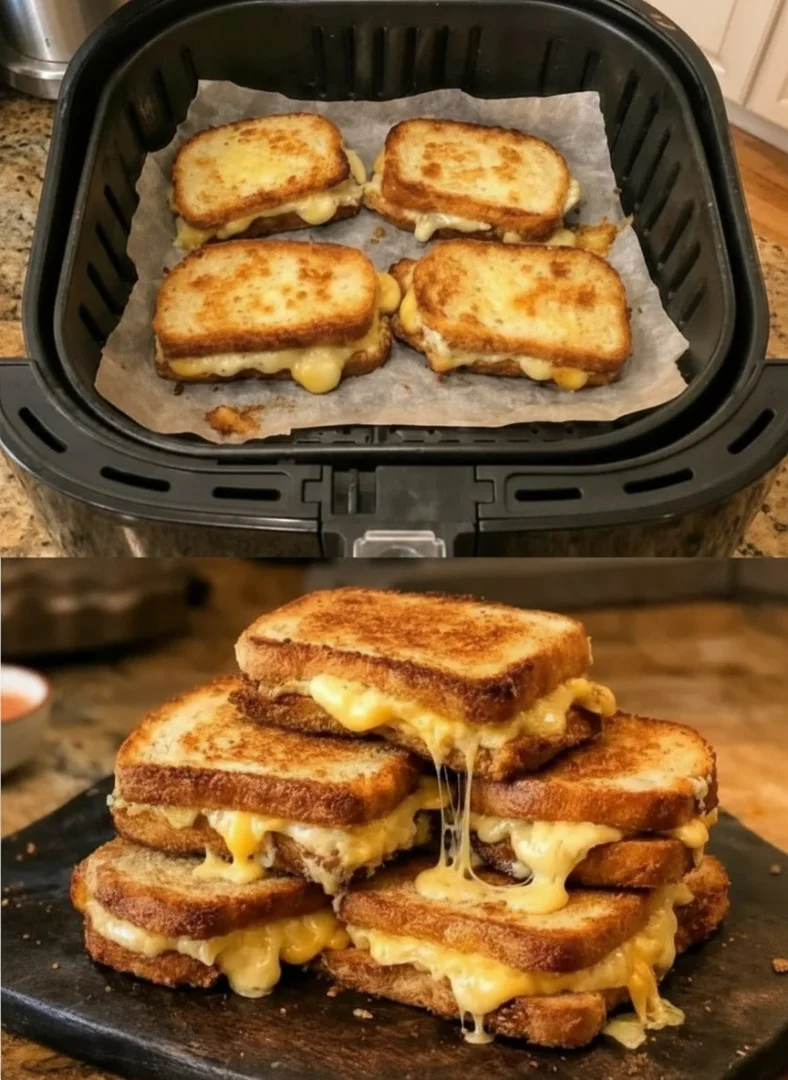
Grilled Cheese Sandwiches are the ultimate comfort food, cherished for their crispy exteriors and gooey, cheesy interiors. Whether you’re a fan of the classic version or enjoy gourmet grilled cheese recipes, this dish caters to all taste buds. This comprehensive guide will walk you through creating the perfect grilled cheese, exploring the best cheeses for grilled cheese, and offering delightful variations. Moreover, you’ll learn how to make grilled cheese sandwiches using different techniques, such as skillet grilled cheese, to ensure a golden, crispy finish every time.
Ingredients
- Bread:
- 4 slices of artisanal bread for grilling (such as sourdough or ciabatta). Look for a fresh loaf with a firm crust that won’t become soggy under the cheese. The thickness of the bread is key; aim for slices about half an inch thick to balance crunch and chewiness.
- Cheese:
- 4 ounces of cheddar cheese, grated (or try a creamy cheese blend for sandwiches like mozzarella and Gruyère). For a stronger flavor, consider using sharp cheddar or a smoked cheese variety. Mixing cheeses can add complexity, ensuring that each bite is a delightful surprise.
- Butter:
- 3 tablespoons butter, softened (preferably unsalted for better control over seasoning). Ensure the butter is at room temperature to spread evenly across the bread. For those who prefer a slightly tangy crust, substituting some of the butter with mayonnaise can create a crispy golden exterior.
- Optional Toppings:
- Tomato slices – use ripe, firm tomatoes to avoid excess moisture. Opt for heirloom varieties for a burst of color and flavor.
- Caramelized onions – cook slowly until golden to enhance sweetness. A pinch of sugar can help speed up caramelization without sacrificing flavor.
- Sliced avocado – adds creaminess and a healthy fat component. Lightly season with salt and lemon juice to prevent browning.
- Pickles – provide a tangy contrast and extra crunch. Consider using bread-and-butter pickles for a sweeter note.
- Seasonings:
- Salt and pepper to taste. A pinch of garlic powder or a dash of paprika can add depth of flavor. Fresh herbs like thyme or rosemary can add an aromatic touch that elevates the sandwich.
Steps / Instructions
- Begin by spreading a generous amount of softened butter on one side of each slice of bread. This will ensure a crispy grilled cheese. Consider using a small spatula for even coverage. If you prefer a more robust flavor, try mixing some Dijon mustard into the butter before spreading.
- Heat a skillet over medium heat. Place two slices of bread, butter-side down, onto the skillet. Ensure the skillet is hot enough to hear a slight sizzle when the bread touches it. This initial sizzle is crucial for achieving that golden, crispy texture.
- Evenly distribute the grated cheese on the non-buttered side of the bread slices in the skillet. Add any desired toppings from our grilled cheese sandwich toppings list. Layer them evenly to ensure each bite has a balanced flavor. Remember, less is more when it comes to toppings, to avoid overpowering the cheese.
- Cover the skillet with a lid to help the cheese melt thoroughly without burning the bread. Cook until the bread is golden brown, about 2-3 minutes. Check occasionally to avoid over-browning. If your skillet has a transparent lid, this allows you to monitor progress without lifting it.
- Remove the lid and place the remaining two slices of bread, butter-side up, on top of the cheese. Carefully flip the sandwiches using a spatula. A wide spatula will help keep the sandwich intact. Gently press down after flipping to encourage the layers to meld together, creating a seamless bite.
- Cook until the other side is golden brown and the cheese is completely melted, about another 2-3 minutes. Press gently with the spatula to encourage even melting and a compact sandwich. If you prefer extra crispiness, allow an additional minute of cooking time on each side.
- Transfer the sandwiches to a cutting board, let them cool slightly, then cut them diagonally and serve hot. This resting time allows the cheese to set slightly, preventing oozing. Slice with a serrated knife for cleaner edges and to prevent unnecessary squishing.
Tips & Tricks
- Storage Tips: If you have leftovers, store them in an airtight container in the fridge for up to 2 days. Reheat in a skillet to restore crispiness. Avoid microwaving, which can make the bread soggy. For extended storage, wrap and freeze sandwiches individually, then reheat them in the oven.
- Make-Ahead Options: Prepare the sandwiches in advance and refrigerate. Cook when needed for fresh, crispy results. You can also assemble and freeze uncooked sandwiches for up to a month. When ready to enjoy, grill directly from frozen, adding a few extra minutes to the cooking time.
- Common Mistakes to Avoid: Avoid burning the bread by keeping the heat at medium. Too high heat can cause the bread to burn before the cheese melts. Ensure the skillet is preheated for even cooking. Additionally, resist the temptation to press down too hard on the sandwich, as this can squeeze out the cheese.
- Pro Techniques: For an extra crispy result, try adding a thin layer of mayonnaise to the outside of the bread instead of butter. Mayonnaise can create a rich, golden crust due to its oil content. If you have a panini press, this can also be an excellent tool to achieve uniform pressure and even browning.
Variations
- Vegetarian Grilled Cheese Options: Use plant-based cheese and vegan butter for a satisfying vegetarian version. Try adding sautéed mushrooms or spinach for extra flavor. Roasted bell peppers or artichoke hearts can also add a delightful twist.
- Gluten-Free Grilled Cheese Recipes: Substitute the artisanal bread with your favorite gluten-free variety. Ensure your choice has a good structure to hold up to grilling. Many gluten-free breads toast well and offer their unique flavors, contributing to a distinctive sandwich experience.
- Flavor Variations: Experiment with different cheese types such as brie or blue cheese for a gourmet touch. A touch of honey or fig spread can complement these robust flavors. Adding a dash of balsamic glaze can provide a sweet and tangy contrast to the savory elements.
- International Grilled Cheese Styles: Incorporate ingredients like prosciutto and fig jam for an Italian twist, or try kimchi for a Korean-inspired version. These additions bring new textures and flavors to the classic sandwich. For a Mexican-inspired variation, consider adding sliced jalapeños and a sprinkle of cotija cheese.
Serving Suggestions
Grilled cheese sandwiches pair beautifully with a warm bowl of Beef and Vegetable Soup. For a more traditional pairing, serve alongside a classic grilled cheese with tomato soup combination. Consider garnishing with fresh basil or arugula for added freshness. Complement your meal with a crisp apple cider or a light-bodied red wine for an enhanced dining experience. Add a side of coleslaw or a fresh green salad to balance the richness of the cheese. For a touch of elegance, serve the sandwich with a side of truffle fries or a lightly dressed microgreens salad.
FAQ
- What are the best cheeses for grilled cheese? Cheddar, Monterey Jack, and mozzarella are popular choices, but feel free to mix and match your favorites. A blend can create a unique flavor profile and texture. Smoked gouda or fontina can add a delightful complexity to the traditional flavors.
- How can I ensure my grilled cheese is crispy? Ensure the bread is evenly buttered and keep the skillet at medium heat. Covering the skillet helps melt the cheese thoroughly without burning the bread. Don’t rush the process; patience is key. Using a griddle can also ensure even heat distribution and a perfectly crispy exterior.
- Can I make grilled cheese sandwiches in the oven? Yes, preheat the oven to 375°F (190°C) and bake the sandwiches on a baking sheet for about 10 minutes, flipping halfway through. This method is excellent for making multiple sandwiches at once. Lining your baking sheet with parchment paper can help prevent sticking and make cleanup easier.