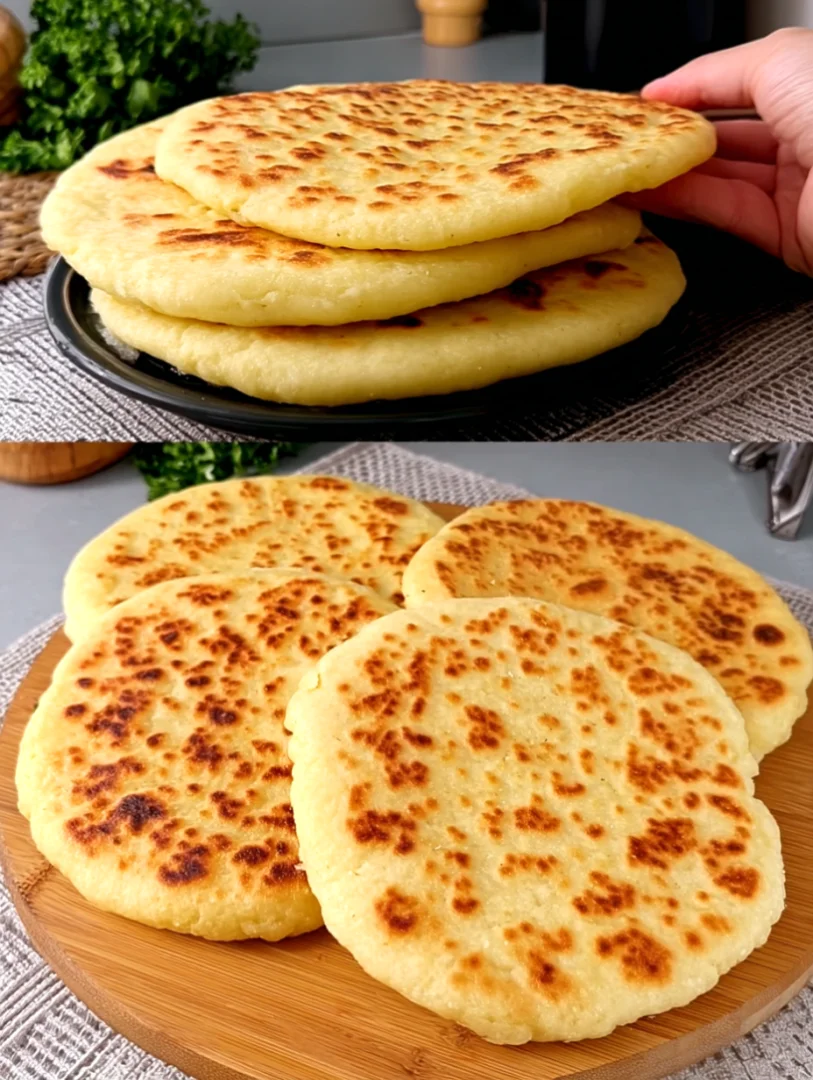
Flourless flatbreads are a delightful alternative to traditional bread, especially for those seeking gluten-free options. These versatile flatbreads can be made using various flour alternatives like almond flour or cassava flour, allowing for an array of textures and flavors that can be enjoyed with countless toppings. Whether you’re looking for easy flatbread without flour for wraps or want to savor Mediterranean flatbread flavors, this recipe will guide you through the process of making delicious, nutritious, and plant-based flatbreads. This recipe also emphasizes the simplicity of preparation while delivering on taste, making it a fantastic addition to any meal. The wholesome ingredients not only taste great but also contribute to a balanced diet.
Ingredients
- For the Almond Flour Flatbread:
- 2 cups almond flour – ensure it’s finely ground for a smoother texture that helps achieve a pliable dough
- 1/4 teaspoon salt – enhances flavor, adjust to taste depending on your preference; you may also opt for sea salt for a different taste
- 1/2 teaspoon baking powder (optional for a lighter texture) – this can help the flatbread rise slightly, giving it a fluffier consistency
- 2 large eggs – better quality eggs result in richer flavor and improved texture; consider using organic eggs for added health benefits
- 1 tablespoon olive oil – use extra virgin for the best taste and health benefits, providing essential fatty acids
- 1 tablespoon water (or more as needed) – adjust based on the dough consistency; the goal is to achieve a smooth, non-sticky dough
- For the Cassava Flour Flatbread:
- 1 cup cassava flour – opt for a fine grind to achieve the best results, as it will allow for a more uniform dough
- 1/4 teaspoon salt – to balance the flavors in the flatbread; feel free to modify based on dietary preferences
- 2 large eggs – free-range or organic eggs can improve the nutritional profile and flavor of your flatbreads
- 1 tablespoon olive oil – for moisture and flavor, ensuring the flatbread remains tender
- 1/4 cup water (adjust as necessary) – should be added gradually for consistency, taking care not to make the dough too wet
- For Flavoring (optional):
- Fresh herbs (such as rosemary or thyme) – finely chopped for better distribution throughout the dough, enhancing the aromatic profile
- Spices (like garlic powder or paprika) – add to taste for extra warmth and complexity in flavor
- Sesame seeds or chia seeds for added texture – sprinkle on top before cooking or mix into the dough for a nutrition boost
Note: Always opt for high-quality ingredients for the best flavor and texture. For a truly gluten-free flatbread, ensure all ingredients are certified gluten-free. You can learn more about this topic. Selecting organic ingredients when possible can also enhance the nutrient profile of your flourless flatbreads, making them a healthier choice in your diet.
Steps / Instructions
- Prepare the Dough: In a large mixing bowl, combine the almond flour (or cassava flour), salt, and baking powder (if using). Whisk together until well combined. This step is crucial as it ensures that the baking powder is evenly distributed throughout the flour, which will promote even cooking and a better rise.
- Add Wet Ingredients: Make a well in the center of the dry ingredients. Add the eggs and olive oil. Mix with a spatula or fork until a dough begins to form. Gradually add water until the mixture is pliable but not sticky. You may need to adjust the amount of water depending on the moisture content of your flour; the dough should hold together without crumbling.
- Knead the Dough: Lightly knead the dough on a clean surface for about 1-2 minutes until smooth and elastic. If using any additional herbs or spices, fold them into the dough at this stage. Kneading helps to develop the texture, making it less crumbly and more cohesive, which is essential for achieving the perfect flatbread.
- Divide the Dough: Divide the dough into 4 equal portions for larger flatbreads or more for smaller ones. Roll each portion into a ball and flatten gently with your hands. This helps to form a uniform shape that will cook evenly. Each ball should be about the size of a small orange.
- Roll Out the Dough: Using a rolling pin, roll each piece of dough into a thin circle, about 1/4 inch thick. Aim for an even thickness to ensure consistent cooking. You may want to place parchment paper under the dough to prevent sticking; dusting the surface with a little almond flour can also help.
- Cook the Flatbreads: Heat a non-stick skillet or griddle over medium heat. Once hot, place the rolled-out dough into the skillet. Cook for about 2-3 minutes on each side until golden brown and cooked through. The surface should bubble slightly, indicating they are ready to flip. Adjust the heat as necessary to prevent burning.
- Keep Warm: As you cook the remaining flatbreads, keep the finished flatbreads warm by wrapping them in a clean kitchen towel. This helps maintain their softness and prevents them from drying out, allowing you to serve them warmed.
Tips & Tricks
Here are some practical tips to elevate your flourless flatbread experience: Check out our related guide for more tips. The right techniques can significantly impact the final product, making your cooking experience more enjoyable.
- Storage: Store any leftover flatbreads in an airtight container in the refrigerator for up to 3 days. They can also be frozen for up to a month. To reheat, simply warm them in a skillet or microwave briefly. If you find them too stiff after freezing, try reheating with a damp paper towel over them.
- Make-Ahead: Prepare the dough in advance and refrigerate it. This can save time on busy days, allowing for quick flatbread whenever needed. You can also pre-cook the flatbreads and refrigerate them, reheating as needed for a convenient option during the week.
- Avoid Common Mistakes: Do not overwork the dough; this can make the flatbreads tough and chewy. Also, ensure your skillet is adequately preheated to avoid sticking. If they stick, try adding a little more oil to the skillet to create a non-stick surface, ensuring a perfect cook.
- Pro Techniques: For a crispier flatbread, brush the surface with a little olive oil before cooking. Experiment with different herbs and spices to find your favorite flavors, enhancing the overall eating experience. Consider trying a sprinkle of sea salt just before serving for added taste and visual appeal.
Variations
Customize your flourless flatbreads with these creative variations:
- Dairy-Free Options: Ensure that any toppings or spreads you use are dairy-free to maintain the dairy-free flatbread status. Consider using avocado or a nut-based spread for added creaminess and additional healthy fats.
- Herb-Infused Flatbreads: Incorporate fresh herbs into the dough for added flavor and aroma. Consider basil, oregano, or even a hint of chili powder for a kick. Fresh herbs not only add flavor but also a beautiful visual appeal, making your flatbreads more appetizing.
- Sweet Flatbreads: Add a touch of honey or maple syrup to the dough for a sweet version that can pair with fruit or yogurt. You could even serve these flatbreads with a light dusting of powdered sugar for a delightful dessert option, making them versatile for any time of the day.
Serving Suggestions
Your flourless flatbreads can be served in various delicious ways:
- Wraps: Use them as a base for wraps filled with grilled vegetables, hummus, or your protein of choice. Consider adding a fresh salad for crunch and additional flavor, making for a nutritious meal.
- Snacks: Serve them with dips like guacamole or salsa for nutritious flatbread snacks. You could also pair them with a cheese platter for a more indulgent snack option, providing variety to your menu.
- Side Dish: Pair them with soups or stews to soak up the flavors. They can also act as an excellent accompaniment to a charcuterie board, adding texture and variety to your spread, enhancing the overall dining experience.