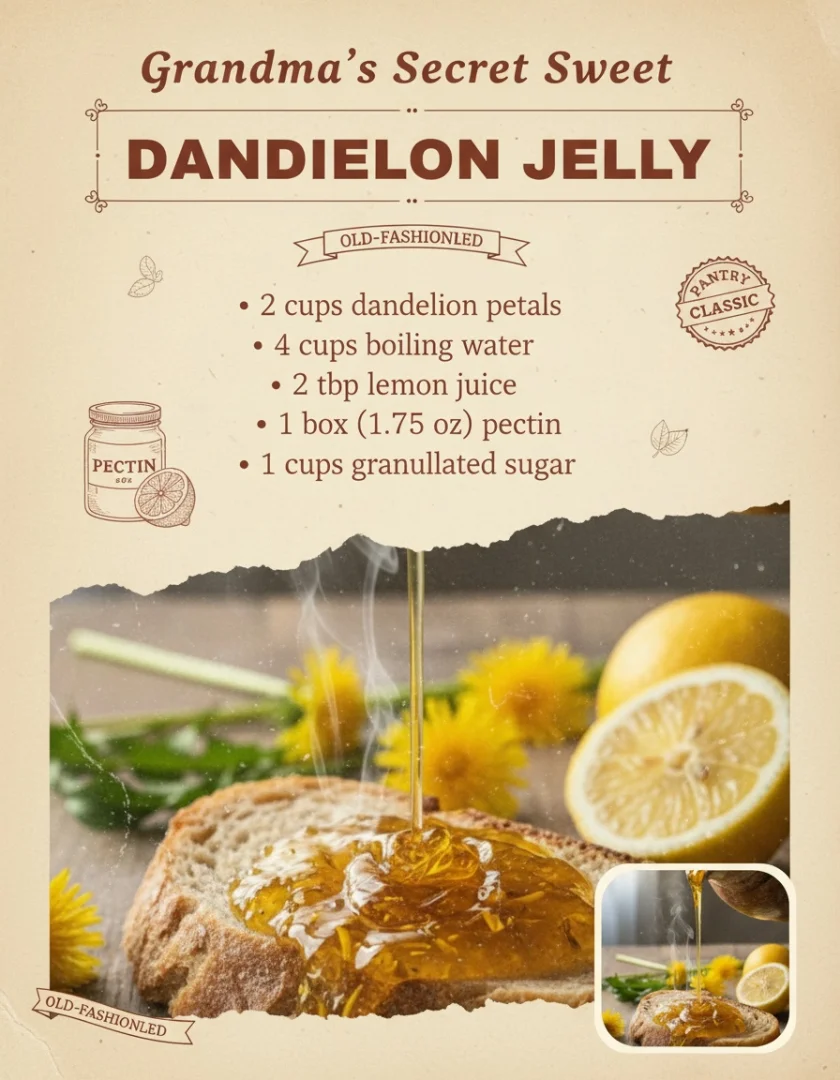
Dandelion Jelly Recipe: A Floral Delight for Spring
As the first whispers of spring unfold, nature offers a bounty of vibrant ingredients ready for the picking. One such treasure is the humble dandelion, whose golden blooms herald the season’s arrival. Transforming these common flowers into a delightful dandelion jelly is a rewarding endeavor, capturing the essence of spring in a jar. This vegan dandelion jelly, often referred to as ‘vegan honey,’ serves as a luscious, plant-based sweetener, perfect for those who seek a unique, natural alternative to traditional spreads. Join us on this culinary journey as we explore how to make dandelion jelly, an easy jelly recipe that elevates your springtime kitchen adventures. The process not only imparts a sweet floral flavor but also celebrates the overlooked beauty of these wildflowers. Discover how this simple recipe can become a cherished spring tradition, connecting you with nature and adding a touch of elegance to your culinary creations. Whether you’re a seasoned chef or a curious beginner, this dandelion jelly recipe promises to bring a taste of sunshine to your pantry.
Ingredients
- 2 cups fresh dandelion flowers (just the petals, avoid green parts)
- 4 cups water
- 4 cups granulated sugar
- 2 tablespoons lemon juice, freshly squeezed
- 1 package (1.75 oz) fruit pectin
- Note: Ensure dandelions are harvested from areas free of pesticides and contaminants. Gather flowers from areas you trust and that are free of pet traffic to ensure their purity. For best results, pick flowers during the midday when they are fully open to capture their most potent flavor profile. The quality of your ingredients will directly affect the taste and texture of your jelly, so choose wisely.
Steps / Instructions
- Prepare the Dandelion Infusion: Gently rinse the dandelion petals to remove any insects or dirt. Place them in a large bowl and cover with 4 cups of boiling water. Let the petals steep overnight for a rich infusion. This extended steeping time allows the petals to release their full flavor, resulting in a more robust jelly. Consider placing a lid or cover over the bowl to prevent any contamination or evaporation as the infusion develops.
- Strain the Liquid: The next day, strain the liquid through a fine-mesh sieve or cheesecloth into a large pot, discarding the petals. This forms the base of your jelly. Ensure that no solids remain in the liquid to achieve a clear, smooth jelly texture. It may be helpful to press the petals gently to extract as much liquid as possible without forcing solid bits through the sieve.
- Combine Ingredients: Add the lemon juice and pectin to the dandelion liquid. Stir these ingredients together over medium heat until the mixture begins to boil. The acidity of the lemon juice not only balances the sweetness but also helps in the setting process of the jelly. Stir consistently to ensure the pectin dissolves completely, avoiding any clumps that might affect the final texture.
- Add Sugar: Gradually add the sugar, stirring constantly. Bring the mixture to a rolling boil, and maintain the boil for 1-2 minutes, ensuring all sugar is dissolved. Stirring prevents the sugar from settling and sticking to the pot, which could lead to burning. A rolling boil is crucial for activating the pectin and ensuring the jelly sets properly.
- Check Consistency: Test the jelly’s readiness by dropping a small amount onto a cold plate. If it sets, it’s ready. If not, continue boiling for another minute or two. Adjusting the boiling time based on this simple test ensures your jelly will have the perfect texture. The cold plate test is a reliable way to gauge the setting point without overcooking the jelly.
- Jar the Jelly: Carefully ladle the hot jelly into sterilized jars, leaving about 1/4 inch of headspace. Wipe the rims clean and seal with lids. Sterilizing jars is crucial for preventing contamination and prolonging the shelf life of your jelly. Make sure the jars are hot to prevent cracking when the hot jelly is added, and always use new lids for the best seal.
- Seal and Store: Process the jars in a boiling water bath for 5 minutes to ensure a good seal. Let them cool completely before storing in a cool, dark place. This step ensures the jelly is shelf-stable and can be enjoyed for months to come. As the jars cool, you may hear a popping sound, indicating a successful seal.
Tips & Tricks
- Storage Tips: Once opened, keep jars refrigerated and use within a month. Proper storage helps maintain the jelly’s flavor and prevents spoilage. For unopened jars, store in a dark, cool place to preserve color and taste.
- Make-Ahead Option: Prepare the dandelion infusion in advance and freeze it, allowing you to make jelly at your convenience. This way, you can enjoy the taste of spring even in the colder months. Label your freezer containers with the date to keep track of freshness.
- Common Mistakes to Avoid: Avoid using petals with green parts to prevent bitterness. Ensure a rolling boil for proper setting. Skipping the boiling step may result in a runny jelly that won’t set properly. Be mindful not to overboil, as this can break down the pectin and prevent the jelly from setting.
- Pro Technique: For a clearer jelly, use a double layer of cheesecloth when straining. This technique effectively removes any fine particles, resulting in a more transparent jelly that looks as good as it tastes. Additionally, skimming any foam from the top of the boiling jelly can enhance clarity.
Variations
- Flavor Variations: Add a splash of vanilla or a hint of lavender for a floral twist. These additions can enhance the complexity of the jelly, making it a sophisticated spread for various occasions. Consider experimenting with other edible flowers like rose petals for a unique flavor profile.
- Dietary Alternatives: Use a sugar substitute for a lower-calorie version, keeping in mind this may affect the jelly’s setting properties. Experiment with different sweeteners to find the right balance that suits your dietary needs. Options like stevia or monk fruit can offer sweetness without the calories.
- Ingredient Swaps: Replace lemon juice with lime juice for a different citrus flavor. This simple swap can add a refreshing tang to your jelly, perfect for pairing with tropical dishes. For a more exotic touch, add a pinch of ginger or cardamom to the infusion.
Serving Suggestions
- Spread over toast or freshly baked No-Knead Honey Oat Bread for a delightful breakfast. The combination of the jelly’s floral notes with the hearty texture of the bread is truly satisfying. Try adding a dollop on top of pancakes or waffles for a sweet morning treat.
- Pair with French Carrot Salad for a refreshing spring meal. The jelly adds a sweet contrast to the crisp, tangy salad, creating a harmonious balance of flavors. This pairing can serve as a light lunch or a vibrant starter for a dinner party.
- Use as a glaze for roasted vegetables or as a sweet addition to a Creamy Cabbage Salad. The jelly’s sweetness enhances the natural flavors of the vegetables, making them a standout side dish. Consider glazing grilled chicken or fish with the jelly for a sweet-savory twist.
FAQ
- Can I use dried dandelion petals? Fresh petals are preferred, but dried petals can be used if rehydrated properly. To rehydrate, soak them in warm water until they regain their original texture. Ensure the dried petals are of high quality and free from contaminants.
- Is dandelion jelly safe for everyone? Generally, yes, but those with pollen allergies should consult a healthcare professional. Always exercise caution and try a small amount first to ensure there are no adverse reactions. Pregnant or nursing individuals should also seek advice before consuming.
- What are the benefits of dandelion flowers? Dandelion flowers contain antioxidants and are known for their detoxifying properties. They are also rich in vitamins and minerals, contributing to overall wellness. Incorporating them into your diet can be a natural way to boost your nutrient intake.
- How long does the jelly last? Properly sealed jars can last up to a year in a cool, dark place. This longevity makes dandelion jelly a great option for gift-giving or stocking your pantry. Ensure the storage area is consistently cool to avoid any spoilage.
Conclusion
Embarking on the journey of making dandelion jelly is not just about creating a delightful spread, but also about connecting with nature and embracing the bounty of spring. This recipe, a wonderful example of creative jam alternatives, offers a unique jelly flavor that captures the floral essence of dandelions, turning them into a flavorful vegan honey. As you savor each spoonful, you’re invited to reflect on the delicate balance of flavors that nature provides. Try this homemade vegan honey recipe and infuse your pantry with the vibrant spirit of spring. We hope you enjoy this dandelion jelly recipe and share your experiences and variations in the comments below! Your feedback is invaluable, and we look forward to hearing how this recipe becomes a part of your springtime traditions. The art of preserving brings not only flavors but creates memories shared with those we love.